The Huck Blog

Field Notes

Data stories from the wild: what community wildlife sightings reveal about the animals around us, told with maps.

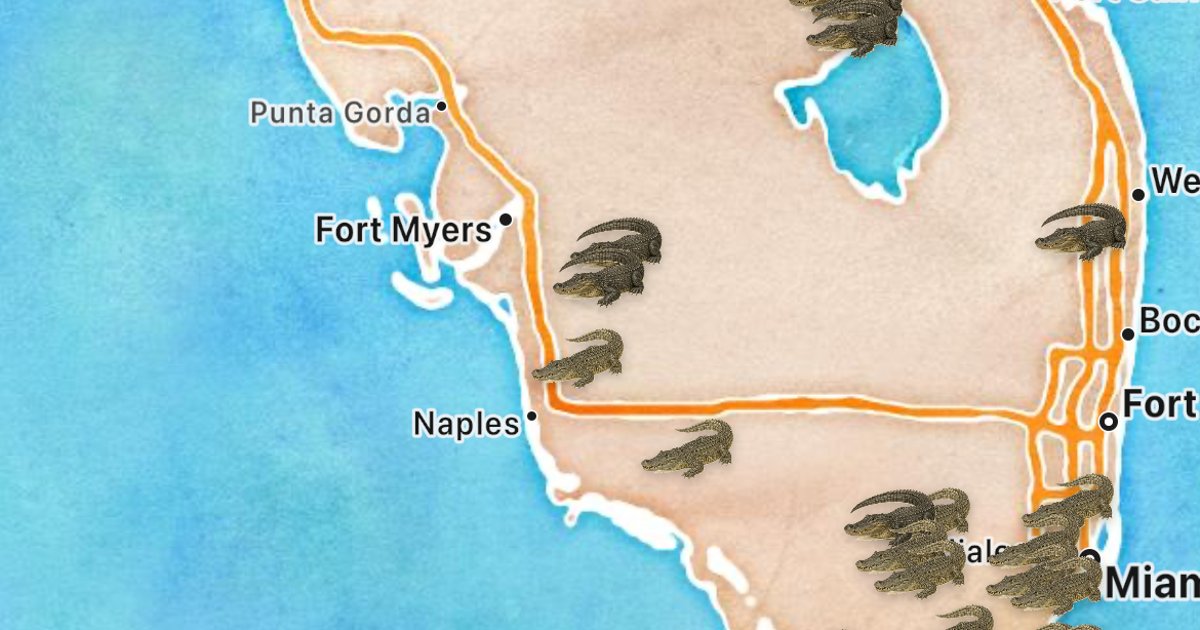
Illustrated map of the Florida peninsula showing alligator sightings spread across the whole state and American crocodile sightings clustered at the southern tip around the Everglades, Florida Bay, and Miami

Latest · August 14, 2026

Alligators and crocodiles coexist in exactly one place on Earth

Plot every alligator sighting in Florida and you fill the whole peninsula. Plot the American crocodiles and nearly all of them crowd into the state’s southern tip - the only waters on the planet where the two animals live side by side.

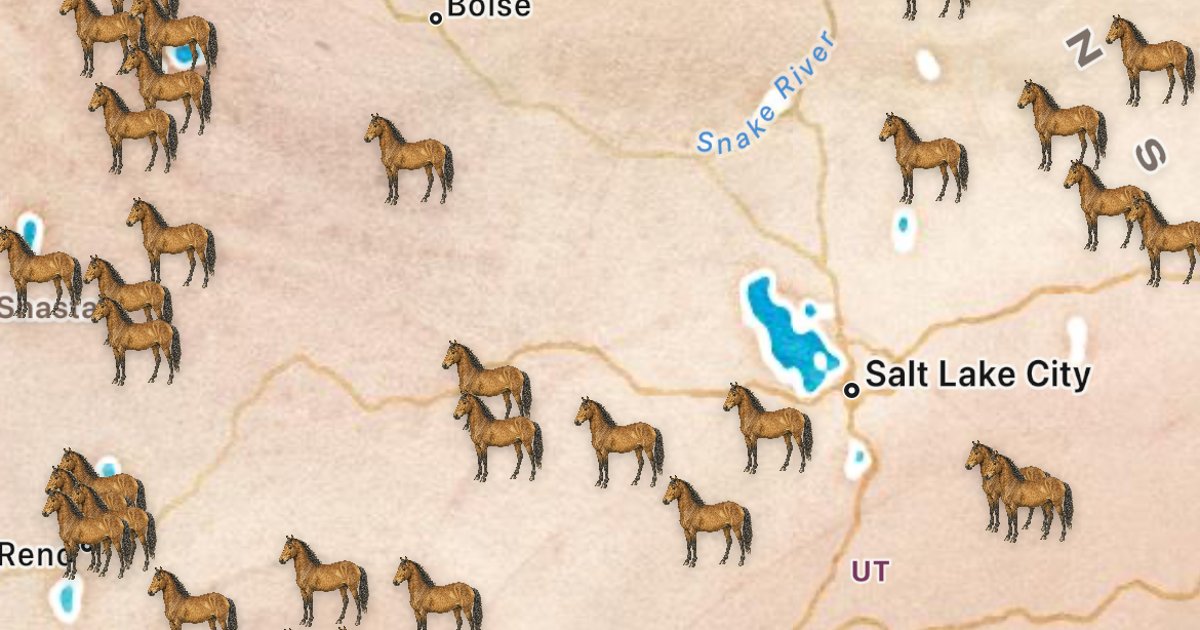
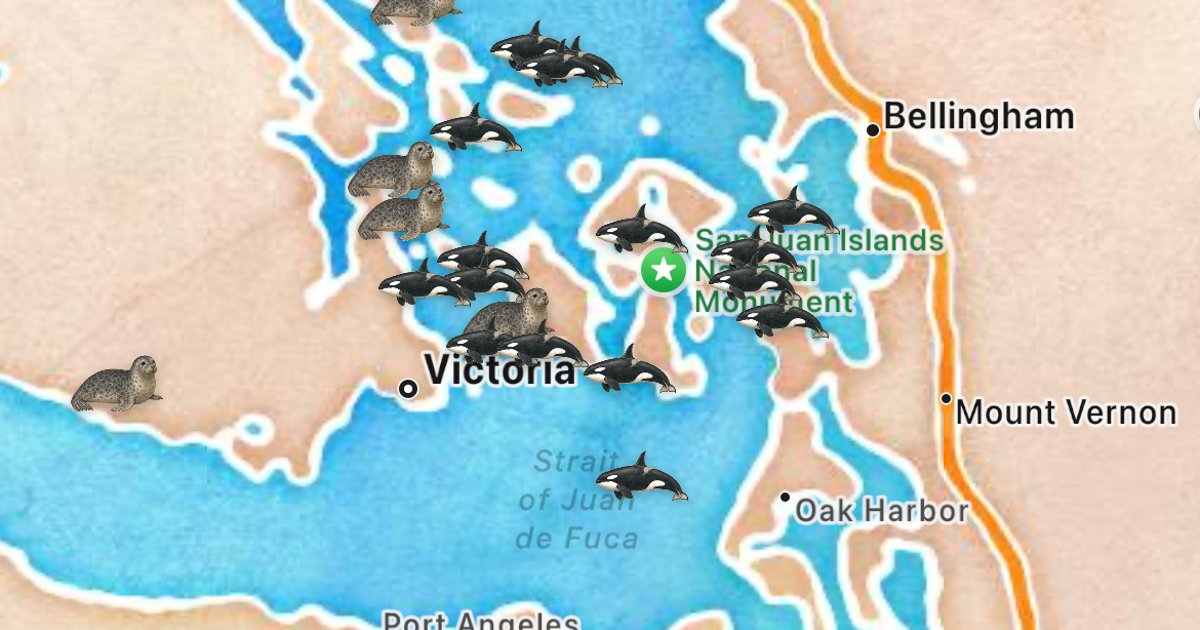
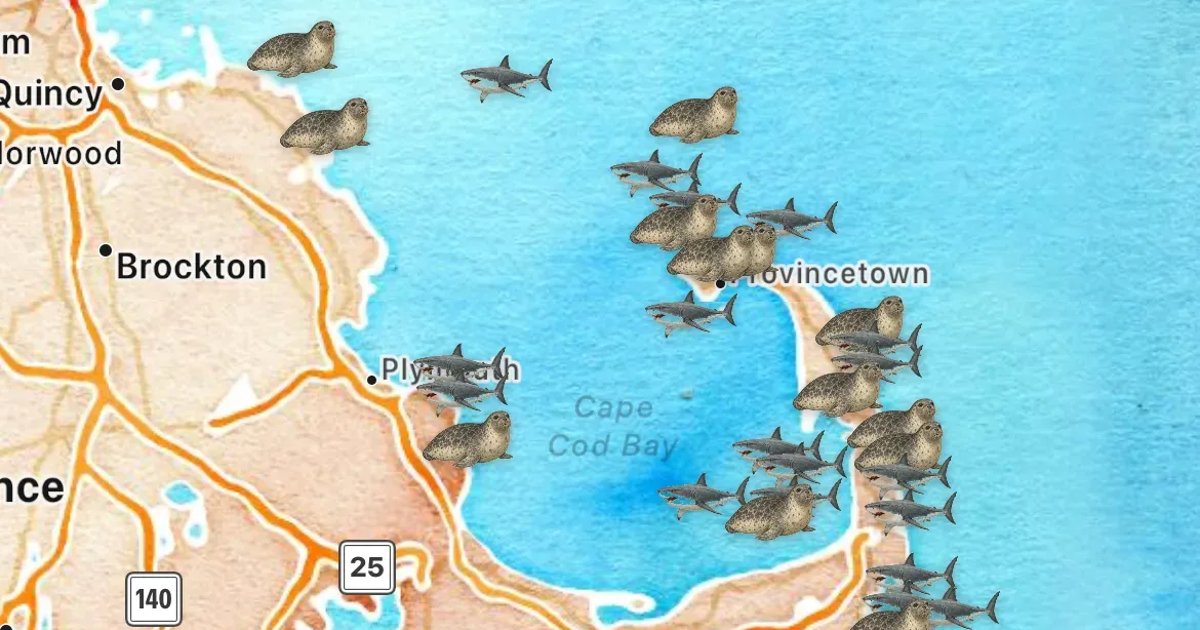
Illustrated map of the American West showing wild horse sightings blanketing the Great Basin across Nevada, Utah, Oregon, Idaho, and ArizonaAugust 14, 2026America has two kinds of wild horse country, and they could not be less alikeMap the wild horse sightings and the United States splits in two: a vast inland sea of mustangs across the Great Basin, and a handful of tiny island herds clinging to Atlantic beaches. Same animal, two completely different wild Americas.Illustrated map of the Salish Sea from Vancouver to Tacoma showing killer whale and harbor seal sightings threaded together through the San Juan Islands, Haro Strait, and Puget SoundAugust 13, 2026The Salish Sea has two kinds of killer whale, and they ignore each otherEvery orca on this map is one species with one silhouette. But the whales around Seattle belong to two populations that do not interbreed, do not share calls, and will not eat the same food - and the balance between them has flipped within living memory.Illustrated map of Cape Cod showing white shark and gray seal sightings clustered along the outer beaches from Provincetown to Monomoy and NantucketAugust 12, 2026The Cape Cod shark map is really a seal mapPlot every white shark sighting around Cape Cod and you trace a line down the outer beaches. Plot the gray seals and you draw the same line - because one map is causing the other.

Get new field notes by email

Wildlife data stories, rare sightings, and Huck field notes - straight to your inbox.

By subscribing you agree to receive Huck emails. No spam, unsubscribe anytime. See our Privacy Policy.